What Is Holistic Healing Massage?

In our stressful modern age, the wellness industry offers desperately needed support to those in search of balance and healing, making holistic health careers more popular than ever before.

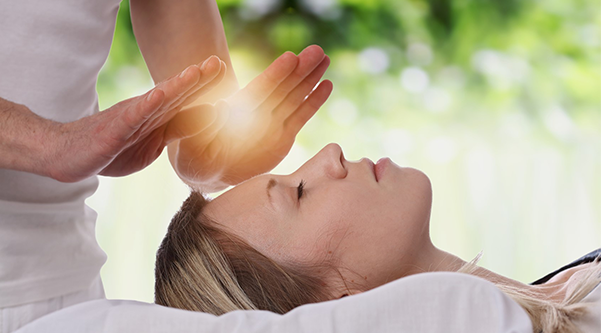
Holistic healing massage is an ancient approach of recovery that clears the lymphatic system and releases toxins from the body. By recognizing that disease and stress affect not just the physical but also psychological, spiritual and mental well-being, holistic healing massage enables the body’s natural recovery capabilities to come forth and stabilize the entire body as a whole. It is a form of massage therapy that aims to balance the mind, body, and spirit. Holistic massage encompasses a diverse range of modalities, each offering a unique approach to promoting physical, mental, and emotional well-being.

It involves a combination of techniques, including Swedish and Eastern Massage Techniques, Deep Tissue and Neuromuscular Massage, Reflexology, Shiatsu, and Aromatherapy. This type of massage is designed to address the physical, emotional, and spiritual needs of the individual.

Holistic massage offers numerous benefits for the body and mind. Here are some of the key benefits of holistic massage:

  • Reduces Stress and Anxiety
  • Improves Blood Circulation
  • Alleviates Pain and Stiffness
  • Promotes Relaxation and Sleep
  • Enhances Emotional Well-being
  • Lower Blood Pressure
  • Ease of Depression and Anxiety
  • Increased Flexibility and Mobility
  • Reduced Inflammation

Mission Statement

St. George University Holistic Massage Therapy Program mission is to promote education in order to develop and advance the practice, science and art of massage therapy and to enhance the quality and effectiveness of its graduates.
This Professional Massage Therapy Program teaches the art of massage therapy, while also teaching sound business practices which prepare students for success in the marketplace.

Program Description
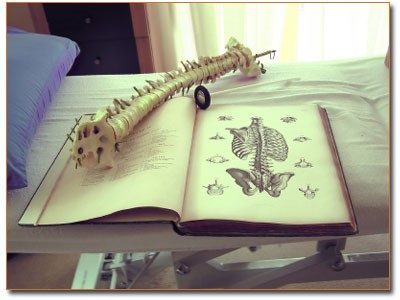
This 1000- hours Professional Massage Therapy Program prepares students to become successful Massage Therapist. The Program follows the standards set by national certification and state licensing.

This Massage Therapy Program teaches the modalities of massage therapy, while also teaching business practices which prepare students for success in the marketplace; students learn light energy work as well as deep-tissue modalities, Eastern as well as Western theory and technique, along with a holistic approach to health and healing.

The Program focuses on Professional Massage and prepare student for the employment as a licensed Massage Therapist. The program content includes the theory and practice of massage, human anatomy, safety and infection control, physiology and pathology, hygiene, legal aspects, allied modalities, leadership and human relations skills, health and safety, CPR and employment skills.

Philosophy and Objectives

This Program is dedicated to providing students the means to achieve proficiency in therapeutic skills and to develop the personal awareness necessary for a successful massage therapy practice. Program Curricula and teaching methods integrate the medico-scientific with intuitive and subjective, objective, assessment, and plan (SOAP) techniques. Western and Eastern perspectives and practical skills are intertwined.
Program has structured its courses to meet and exceed the requirements from national certification examination as well as State Licensing. This programs also prepare students for membership in a professional association, such as the American Massage Therapy Association (AMTA) and the Associated Bodywork and Massage Professionals (ABMP), and help them to:
  • Understand the various dimensions of massage therapy
  • Develop confidence, knowledge and skills in a wide range of massage therapy disciplines and hands-on applications
  • Develop efficient body mechanics in order to optimize practitioner performance and longevity
  • Develop a working knowledge of anatomy and physiology as applied to massage theory and practice
  • Learn fundamental concepts of wellness and the ability to interface with other health care professionals
  • Develop confidence and practical skills at introductory levels in shiatsu, acupressure, and reflexology, neuromuscular, and myofascial techniques
  • Develop skill in the application of strain and counter-strain
  • Develop skill in four phases of sports massage: pre-event, post-event, restoration/ rehabilitation and training/conditioning
  • Develop fundamental palpatory skills

Curriculum

Curriculum are comprehensive and career oriented by offering foundation of the knowledge and skills required to develop professional therapists with the ability to recognize and respond to the needs of whole person on their path of healing:
  • Human Anatomy & Physiology
  • Medical Terminology
  • Clinical Pathology
  • Kinesiology
  • Business Practice
  • Aromatherapy
  • Reflexology
  • Swedish Massage Techniques
  • Eastern Massage
  • Introduction to the Therapeutic Massage
  • Deep-Tissue Massage
  • Neuro-Muscular Techniques
  • Chinese Herb logy
  • Clinical Practicum / Externship